The Neighborhood Advantage: Why Local Knowledge Is Becoming Real Estate's Most Valuable Asset
As property decisions grow more complex, professionals who understand the character, priorities, and long-term potential of individual neighborhoods can offer something technology alone cannot.
By Estoryline Editorial Desk · · 6 min read
In this story
Key takeaways
- Neighborhood knowledge can help professionals explain the practical value of a property beyond its physical features.
- Buyers increasingly need guidance that connects property decisions with everyday lifestyle considerations.
- Local expertise can distinguish experienced professionals from services that provide only standardized property information.
- Community development and changing neighborhood needs create opportunities for deeper client conversations.
- Real estate professionals can build trust by communicating local advantages and limitations honestly.
- Combining technology with firsthand community knowledge can create a more useful property-search experience.
Real Estate Begins Beyond the Front Door
A property can be evaluated through measurements, photographs, floor plans, and financial calculations. Yet the experience of living there begins long before someone unlocks the front door.
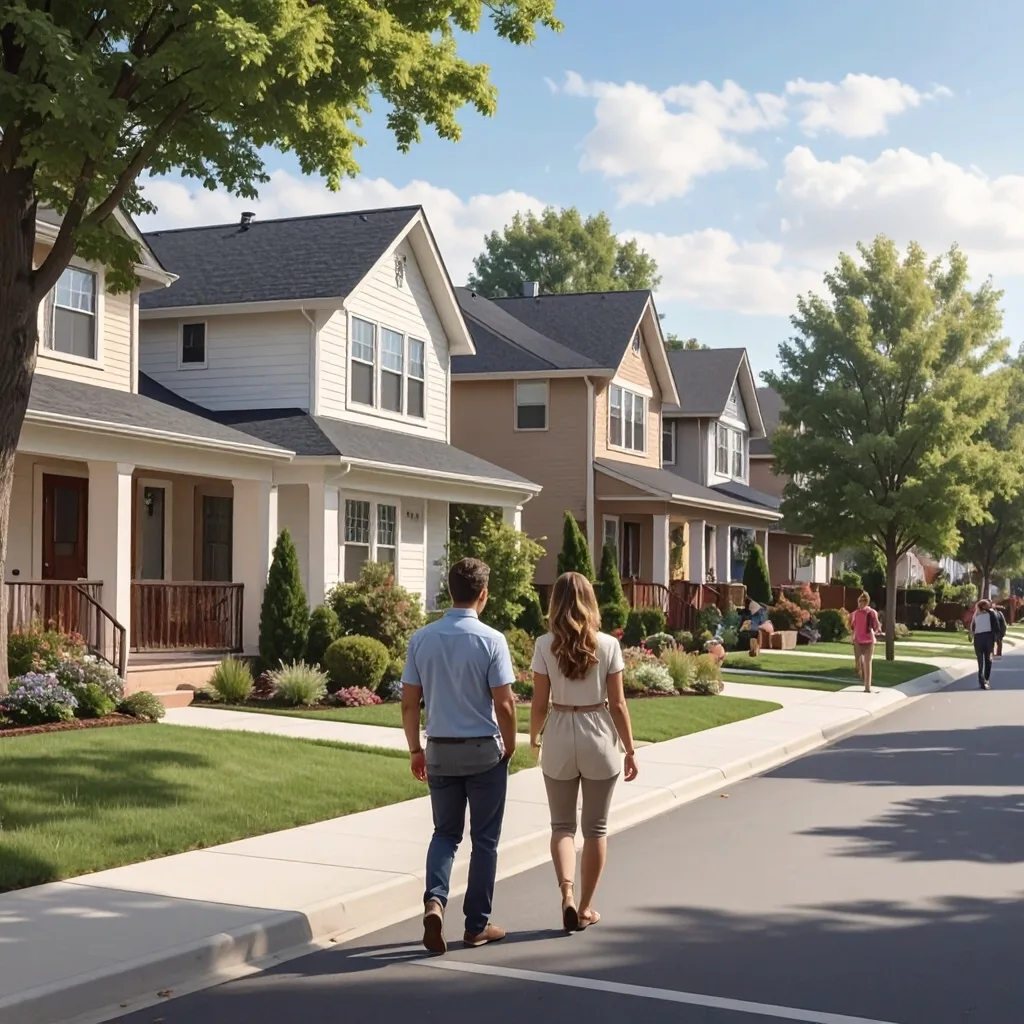
It begins with the morning commute, the nearest grocery store, the atmosphere of the surrounding streets, access to everyday services, and the relationship between a home and the life its occupants want to build.
These considerations help explain why two properties with similar physical characteristics can appeal to entirely different buyers. One household may prioritize walkability and access to public transportation. Another may value quieter streets, outdoor space, or proximity to relatives. A third may focus on the relationship between location, work commitments, and long-term household plans.
The property itself remains important, but the neighborhood gives that property context.
For real estate professionals, understanding this relationship creates an opportunity to move beyond presenting listings and toward helping clients make better-informed decisions.
The Difference Between Finding a Property and Understanding a Place
Digital property platforms have made it easier to browse listings, compare features, and narrow searches. Buyers can review photographs, examine floor plans, and explore basic location information before arranging a visit.
However, standardized property information rarely captures the full character of a community.
A map may show the distance between a home and a workplace, but it may not explain how that journey changes during busy periods. A listing may identify nearby parks, but it may not communicate how residents use those spaces. A neighborhood description may mention local amenities without explaining which services are genuinely convenient for a particular household.
These details require interpretation.
A knowledgeable professional can help clients identify the questions that matter before they make a commitment. That might involve understanding the practical trade-offs between different locations, checking proposed development plans, examining local service availability, or distinguishing established neighborhood characteristics from assumptions based on appearance.
The goal is not to replace objective information with personal opinion. It is to connect available information with the client's real priorities.
Why Neighborhood Expertise Can Build Trust
Trust develops when advice reflects a client's circumstances rather than simply promoting a transaction.
A professional who understands a neighborhood can explain both its advantages and its limitations. They can help buyers consider whether a location suits their routines, identify issues that deserve further investigation, and recognize when another area might be a better fit.
That honesty can be commercially valuable.
Clients who feel understood are more likely to engage in meaningful conversations, ask detailed questions, and view their adviser as a source of guidance rather than merely a point of access to listings.
Local expertise also supports more useful conversations with sellers. Understanding the surrounding community can help professionals communicate a property's relevant features without relying on generic descriptions that could apply to almost any home.
The strongest neighborhood narratives are specific, balanced, and supported by information that buyers can independently evaluate.
Communities Are More Than Property Markets
Neighborhoods are living environments shaped by residents, businesses, public spaces, local institutions, infrastructure, and changing needs.
A new business district may alter commuting patterns. Improvements to public spaces may change how residents use an area. New housing developments may affect the range of available properties and place different demands on local services.
Not every change produces the same outcome for every resident or property owner. Development can introduce new amenities while also creating concerns about congestion, construction disruption, affordability, or pressure on existing infrastructure.
Real estate professionals should resist reducing these changes to simplistic promises about future property values.
Instead, they can help clients understand what is known, what remains uncertain, and which local developments deserve closer attention.
This approach makes neighborhood knowledge more than a marketing technique. It becomes a practical framework for understanding the environment in which a property exists.
Turning Local Knowledge Into a Better Client Experience
Real estate businesses can make neighborhood expertise more useful by organizing it around the questions clients actually ask.
For buyers, that may include comparing daily travel requirements, nearby services, housing types, community amenities, and the practical differences between locations.
For sellers, it may involve explaining the features that distinguish their property and its surroundings, identifying the most relevant audience, and presenting location-specific advantages accurately.
For investors, neighborhood research may include examining employment patterns, rental demand, development activity, local competition, and the factors that could influence a property's operating performance.
Professionals can also develop neighborhood guides, property-comparison resources, local interviews, and educational content that helps people explore an area before making decisions.
These resources should be maintained carefully. Outdated information, exaggerated claims, and unsupported predictions can undermine the credibility that local expertise is intended to create.
Technology Should Strengthen Local Expertise
Technology can make neighborhood knowledge easier to collect, organize, and communicate.
Customer relationship management systems can help professionals record client priorities. Mapping tools can support location comparisons. Digital publishing can make local guides accessible to a wider audience. Data tools can help identify patterns that deserve further investigation.
Artificial intelligence may also assist with organizing information, summarizing publicly available planning documents, and preparing initial drafts of location-specific content.
However, these tools are only as useful as the information and judgment behind them.
Automated descriptions can overlook meaningful differences between nearby streets. Generated content may repeat generalizations that do not reflect local conditions. Data can appear precise while failing to answer the question a buyer actually needs to resolve.
Professionals should therefore verify important details, distinguish facts from opinions, and supplement digital research with appropriate firsthand knowledge.
The competitive opportunity lies not in choosing between technology and human expertise, but in combining them responsibly.
Building a More Distinctive Real Estate Business
In a competitive industry, many professionals have access to similar listing platforms, advertising channels, and marketing tools. Neighborhood expertise offers a way to create a more distinctive client experience.
A professional who consistently explains local conditions, answers practical questions, and acknowledges uncertainty can build a reputation around usefulness rather than visibility alone.
This strategy also encourages deeper community engagement. Conversations with residents, local businesses, service providers, and other professionals can reveal questions that deserve attention and information that buyers may struggle to find in standard listings.
Such engagement must remain transparent and respectful. Community relationships should inform better service, not become a pretext for unsupported promotional claims.
Over time, a strong understanding of local environments can become an enduring business asset because it is connected to relationships, experience, and contextual judgment rather than a single marketing campaign.
The Daily Scoop Perspective
Real estate technology continues to improve the way people discover and compare properties. Yet the decision to buy or sell remains deeply connected to individual priorities and the environment surrounding a home.
Neighborhood expertise helps bridge the gap between property information and everyday experience. It allows professionals to ask better questions, explain meaningful trade-offs, and offer guidance that reflects the circumstances of each client.
For buyers, that can mean evaluating a home in the context of the life they intend to lead. For sellers, it can mean communicating a property's distinctive qualities more clearly. For real estate professionals, it offers a practical way to build trust and develop a more recognizable service.
The most valuable real estate advice may not simply explain what a property contains. It may explain how that property fits into the wider place where people live, work, connect, and plan their futures.
Newsletter
Stay ahead of the market.
Our best reporting and profiles, in one considered email.
Get featured
Have a story worth telling?
Agents, brokers, founders and transaction coordinators: tell our editors about your work.
Submit your storyMore to read
Daily Scoop
U.S. Home Prices Lose Momentum as Affordability Pressure Keeps Buyers Cautious
The U.S. housing market is showing mixed signals as asking prices soften and sale-price growth slows. Yet high mortgage payments, insurance costs and other ownership expenses continue to limit affordability. The changing environment could give some buyers more room to negotiate, while sellers and real estate professionals may need to rethink pricing strategies and client expectations. Local market conditions remain critical, as national trends do not affect every city or neighborhood equally.
Estoryline Editorial Desk · Oct 15, 2026 · 3 min read

Cover Stories
The New American Real Estate Era: The Leaders Redefining the Future of Property
American real estate is evolving beyond traditional transactions. As buyers, sellers, investors, and industry professionals navigate changing market conditions, success increasingly depends on local expertise, transparent communication, responsible technology adoption, and lasting client relationships. This cover story explores the forces reshaping the industry and the leadership qualities that can help real estate professionals build resilient businesses, strengthen their reputations, and create long-term value in a changing housing market.
Estoryline Editorial Desk · Oct 15, 2026 · 6 min read
News & Analysis
US Housing Market Shifts in Buyers’ Favor as Home Sellers Face Growing Competition
The US housing market is showing signs of a shift toward buyers as available homes compete for a limited pool of prospective purchasers. The changing balance could create opportunities for buyers to negotiate prices and contract terms, while sellers may need more competitive pricing strategies. However, market conditions vary significantly by location, making local inventory, comparable sales and affordability essential factors for buyers, sellers and real estate investors.
Real Estate Research Desk · Oct 15, 2026 · 7 min read