The Future of American Living: How Real Estate Is Being Reimagined Around People
Changing lifestyles, flexible design, sustainability, and technology are reshaping how the American real estate industry thinks about buildings, neighborhoods, and long-term value.
By Estoryline Editorial Desk · · 7 min read
In this story
Key takeaways
- Real estate value extends beyond square footage and appearance.
- Neighborhood design influences everyday convenience and community life.
- Flexible spaces can adapt to changing household and business needs.
- Sustainability should be evaluated through long-term performance.
- Technology works best when it improves usability and decision-making.
- Housing affordability remains central to the future of American living.
The Future of American Living: How Real Estate Is Being Reimagined Around People
Real estate has traditionally been measured through tangible assets: square footage, location, construction quality, rental income, and market value. Yet the significance of a building extends beyond its physical boundaries. The places people choose to live, work, gather, and build businesses influence their daily routines, personal connections, and long-term aspirations.
Across the United States, the future of real estate presents an opportunity to reconsider how properties and communities are planned, developed, and experienced. Changing household needs, evolving work patterns, environmental considerations, and advances in technology are encouraging industry professionals to think more carefully about the relationship between buildings and the people who use them.
The next chapter of American real estate will not be defined by architecture alone. It will also depend on how successfully the built environment responds to everyday life.
Beyond Square Footage: A More Human Definition of Value
A property's appeal has never been determined entirely by its size or finishes. Buyers and tenants also consider convenience, comfort, accessibility, privacy, nearby services, and the character of the surrounding community.
These priorities vary considerably. A young professional may seek convenient transportation and flexible living arrangements. A growing household may prioritize usable space, nearby schools, and access to everyday services. An older resident may place greater importance on accessibility, reliable transportation, and proximity to healthcare or family.
For developers, investors, and real estate professionals, recognizing these differences creates an opportunity to approach property decisions with greater precision.
Rather than designing or marketing every property around a single ideal customer, businesses can examine how different groups use space and which features meaningfully improve their experience.
This perspective does not diminish the importance of financial performance. It expands the definition of a successful property by connecting commercial objectives with the practical needs of its occupants.
The Evolution of Neighborhoods
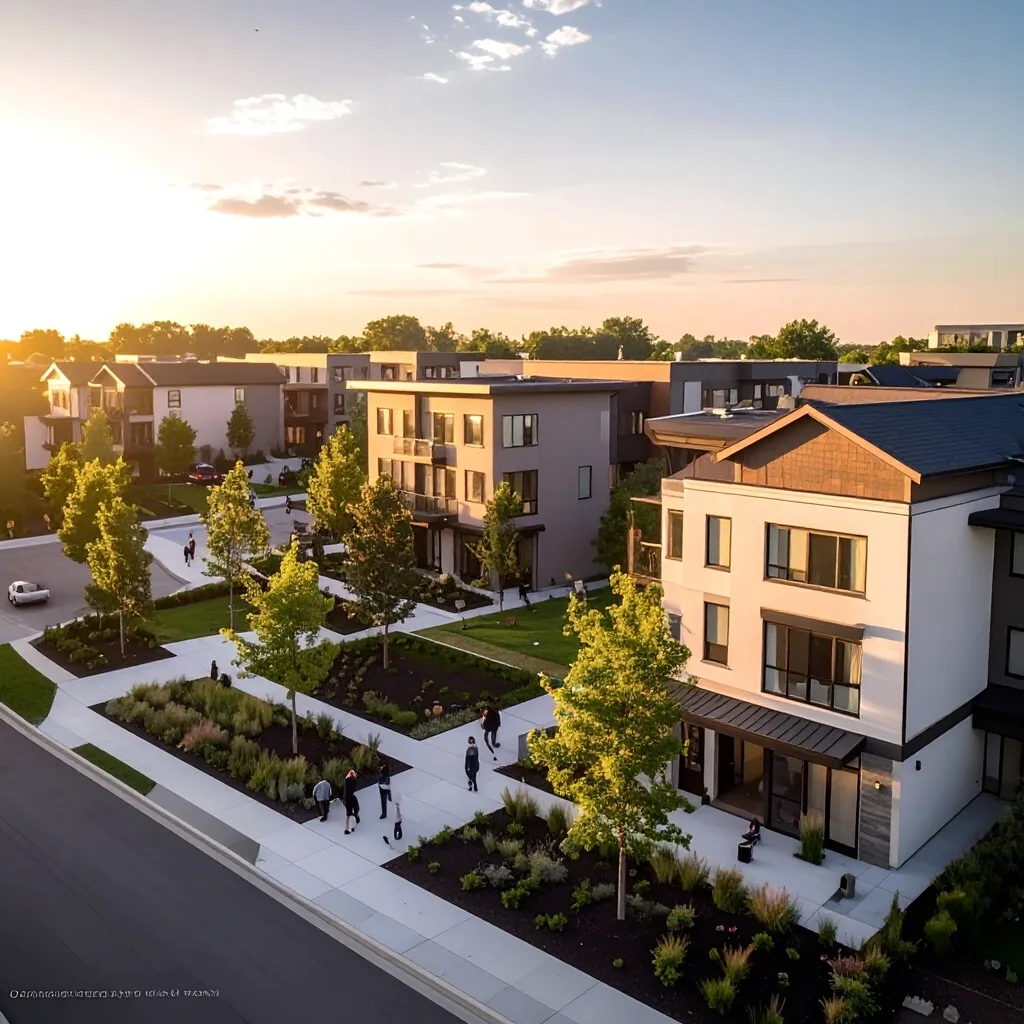
A neighborhood is more than a collection of individual properties. Its character emerges from the relationship between housing, transportation, local businesses, public spaces, infrastructure, and community activity.
When these elements work together effectively, residents may find it easier to complete everyday tasks, participate in community life, and access essential services. When they are poorly coordinated, even an attractive property can come with practical inconveniences.
This makes neighborhood planning an important part of the wider real estate conversation.
Mixed-use developments, pedestrian-friendly streets, accessible public spaces, and a broader range of housing options can create opportunities to connect residential and commercial activity. However, outcomes depend on local conditions, implementation, affordability, transportation networks, and the needs of existing residents.
There is no universal model for a successful community. A dense urban district has different requirements from a suburban neighborhood or a smaller regional town.
The challenge is to understand the local context and create places that respond to it rather than applying the same development formula everywhere.
Flexibility Becomes a Design Priority
The way people use buildings changes over time. A room initially designed as a home office may later become a nursery, a study area, or a guest room. A commercial property may need to accommodate different business activities as tenants and operating models evolve.
Flexible design can help properties adapt to these changing requirements.
Practical examples include adaptable floor plans, multifunctional rooms, accessible layouts, sufficient electrical and connectivity infrastructure, and shared spaces that serve clear purposes. In commercial environments, flexibility may involve layouts that support collaboration while still providing quiet areas for focused work.
Adaptability does not mean adding every possible feature. Unnecessary complexity can increase construction costs, maintenance requirements, and operating expenses.
The most effective approach is to identify which forms of flexibility are likely to deliver meaningful value for the intended occupants and which can be incorporated without compromising the property's broader purpose.
Sustainability as a Long-Term Property Consideration
Environmental performance is increasingly relevant to discussions about building design, property operations, and long-term ownership costs.
Energy-efficient systems, durable materials, effective insulation, water-conscious landscaping, and thoughtful building orientation can influence how properties perform throughout their useful lives.
The benefits depend on climate, construction quality, maintenance, local utility costs, and the suitability of each measure for the building.
For property owners and investors, sustainability should therefore be assessed through practical questions. What will a proposed improvement cost? How much energy or water might it save? What maintenance will it require? Will it improve occupant comfort? Does the building need additional resilience against local environmental risks?
These questions encourage a more disciplined approach than relying on broad environmental claims.
Developers can also consider how buildings interact with their surroundings, including stormwater management, shade, landscaping, transportation access, and the durability of infrastructure.
The objective is to create properties that function responsibly over time while remaining financially and operationally viable.
Technology Should Improve the Experience of Place
Digital tools have changed how people discover, evaluate, purchase, lease, and manage property. Online listings, virtual tours, mapping systems, building-management platforms, and data-analysis tools can make information easier to access and decisions easier to organize.
Artificial intelligence introduces additional possibilities for research, communication, property analysis, and the management of complex information.
However, technology is most valuable when it solves a clearly defined problem.
A sophisticated building-management system offers limited practical value if occupants cannot use it easily. A digital property platform is less useful if its information is outdated or difficult to verify. An automated recommendation may be misleading if it overlooks a client's specific circumstances.
Real estate businesses must also consider data privacy, cybersecurity, accessibility, and the reliability of automated systems.
The strongest digital experiences complement professional judgment rather than attempting to replace it. Technology can help people understand their options, but the quality of the underlying information and the relevance of the advice remain essential.
Affordability and Access Must Remain Central
A discussion about the future of American living is incomplete without considering affordability.
Housing costs affect household choices, workforce mobility, community stability, and the ability of people to remain close to employment, education, and family networks.
The causes of housing affordability challenges differ by market. They can involve construction costs, financing conditions, land availability, local regulations, infrastructure constraints, household incomes, and the balance between available homes and demand.
No single development strategy can address every local challenge.
A more useful approach begins with understanding the specific conditions of each market and examining how housing supply, transportation, infrastructure, financing, and planning decisions interact.
Developers, public agencies, investors, and local communities all have roles in these discussions. Better outcomes require realistic assessments of costs, trade-offs, and the needs of different households.
Affordability should not be treated as a separate consideration added after a project has been designed. It is part of the broader question of whom a development serves and whether its benefits can be sustained.
Rethinking Success in Real Estate
The long-term success of a property cannot be understood through one measure alone.
Financial performance remains fundamental to the viability of real estate businesses. Yet occupancy, maintenance requirements, adaptability, occupant satisfaction, environmental performance, and the property's relationship with its surroundings can also influence its long-term usefulness.
These considerations are interconnected. A design decision may improve everyday comfort but increase initial costs. A technology investment may reduce operating expenses but introduce additional maintenance requirements. A development may attract commercial interest while creating concerns about traffic or pressure on local infrastructure.
Good decision-making requires weighing these factors transparently.
For investors and developers, this means evaluating not only the immediate commercial opportunity but also the conditions necessary for a property to remain useful and competitive. For buyers and tenants, it means looking beyond attractive presentation and asking how a space will perform in everyday life.
For real estate professionals, it creates an opportunity to provide more informed guidance grounded in the relationship between property characteristics, financial considerations, and the needs of the people who use the space.
The Next Chapter of American Real Estate
The future of American real estate will not be shaped by a single architectural style, technology, or development model. It will emerge through thousands of decisions made by property owners, developers, investors, planners, designers, and communities.
Some places will prioritize compact urban living. Others will focus on suburban adaptability, regional economic growth, or improvements to existing housing. Each approach will face its own financial, environmental, and social considerations.
What connects these different paths is the need to understand real estate as more than a physical asset.
Buildings and neighborhoods are part of the infrastructure of everyday life. Their value depends not only on what they cost or how they look, but also on how effectively they serve their intended purpose over time.
For the industry, the opportunity is to combine sound financial judgment with thoughtful design, responsible technology, and a clearer understanding of human needs.
The next era of real estate will belong to those who recognize that the strongest properties are not simply built to occupy space. They are planned to create lasting value for the people, businesses, and communities around them.
Estoryline Editorial Desk
Newsletter
Stay ahead of the market.
Our best reporting and profiles, in one considered email.
Get featured
Have a story worth telling?
Agents, brokers, founders and transaction coordinators: tell our editors about your work.
Submit your storyMore to read

Industry Leaders
The Business of Building Trust: What Defines Effective Leadership in American Real Estate
Effective real estate leadership extends beyond transactions and portfolio growth. It requires disciplined decision-making, operational excellence, responsible technology adoption, and a commitment to developing people. This feature explores how industry leaders can build trust, navigate uncertainty, strengthen organizational performance, and create sustainable business advantages in the evolving American real estate market.
Estoryline Editorial Desk · Oct 20, 2026 · 8 min read
Daily Scoop
U.S. Home Prices Lose Momentum as Affordability Pressure Keeps Buyers Cautious
The U.S. housing market is showing mixed signals as asking prices soften and sale-price growth slows. Yet high mortgage payments, insurance costs and other ownership expenses continue to limit affordability. The changing environment could give some buyers more room to negotiate, while sellers and real estate professionals may need to rethink pricing strategies and client expectations. Local market conditions remain critical, as national trends do not affect every city or neighborhood equally.
Estoryline Editorial Desk · Oct 15, 2026 · 3 min read
Cover Stories
The New American Real Estate Era: The Leaders Redefining the Future of Property
American real estate is evolving beyond traditional transactions. As buyers, sellers, investors, and industry professionals navigate changing market conditions, success increasingly depends on local expertise, transparent communication, responsible technology adoption, and lasting client relationships. This cover story explores the forces reshaping the industry and the leadership qualities that can help real estate professionals build resilient businesses, strengthen their reputations, and create long-term value in a changing housing market.
Estoryline Editorial Desk · Oct 15, 2026 · 6 min read